
"*" indicates required fields

"*" indicates required fields
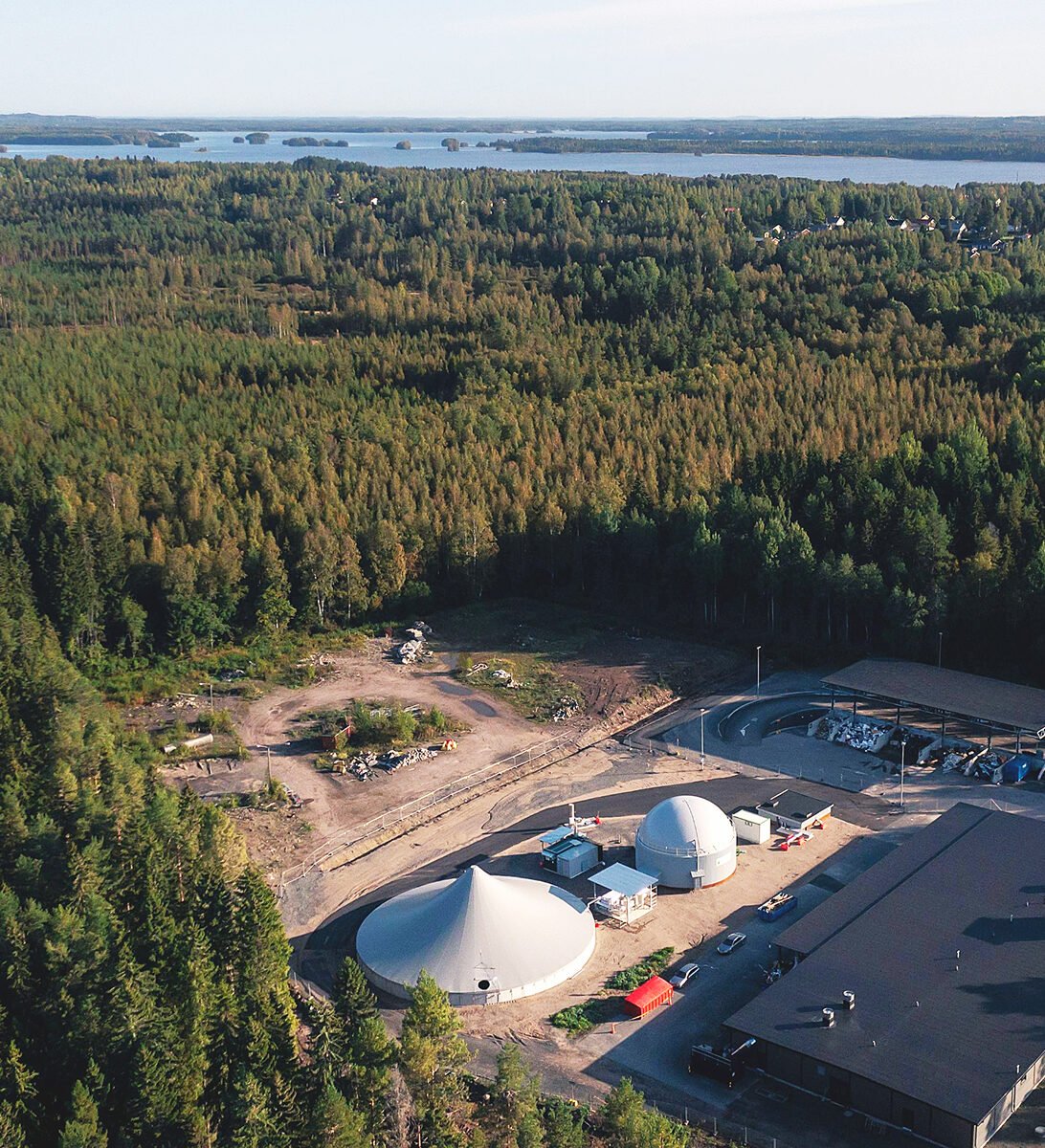
Biogas is the gas mixture produced when organic waste rots under anoxic conditions. Biogas is formed naturally, for example in landfills, but biogas plants produce it in a controlled and efficient way from waste streams that would often go unused. Depending on the feedstock, biogas is 50-70 % of methane, which has excellent fuel properties. One cube of methane is equivalent in energy content to one litre of diesel oil and requires, for example, about 7 kg of bio-waste. The rest of the gas mixture is mainly carbon dioxide.

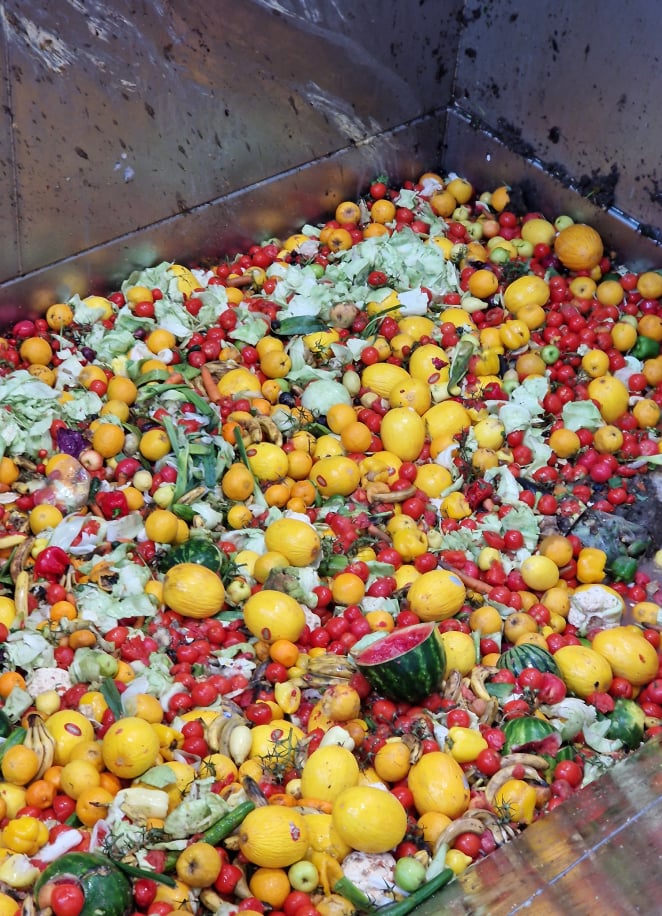
With the exception of wood, almost all organic material is suitable for biogas production. Typical biogas plant feedstocks include:
The use of biogas as a fuel has undeniable positive environmental effects. It is a 100 % renewable and therefore carbon neutral fuel, it produces no particulate emissions and it does not contain sulphur or heavy metals. As a car fuel, biogas upgraded to biomethane can reduce greenhouse gas emissions throughout the life cycle of the production process 85-95 %.
In addition, biogas production prevents the release of methane from the decomposition of organic waste in landfills or on farms, which is an ecological act in itself, as methane is 25 times more powerful as a greenhouse gas than carbon dioxide.
The payback period for a biogas plant can be only a few years at best. However, it depends on a number of factors, the most important of which are:

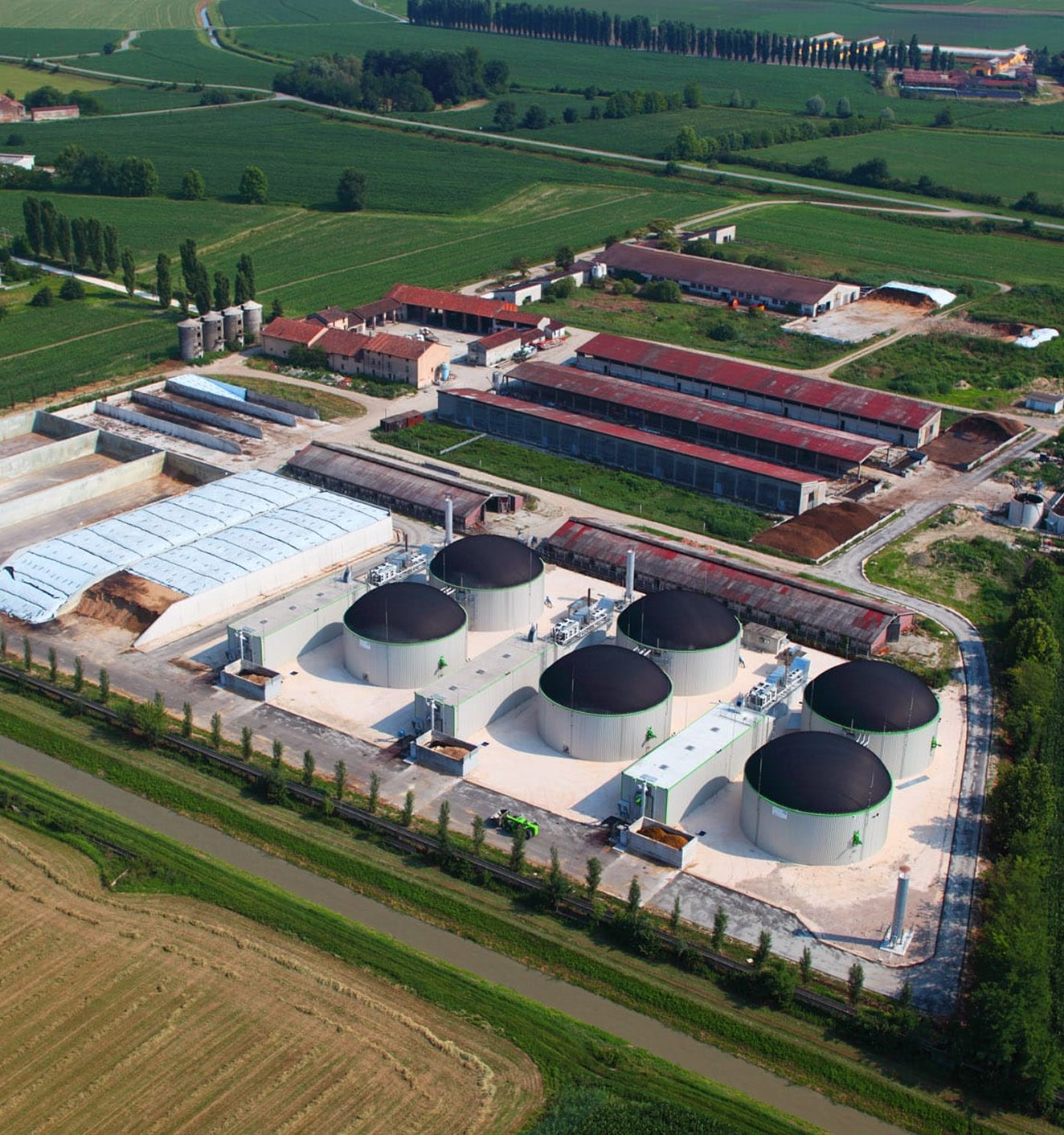
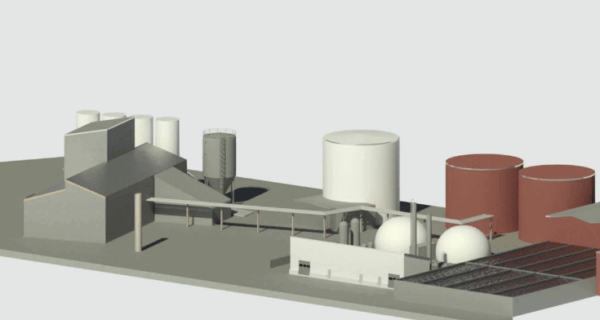
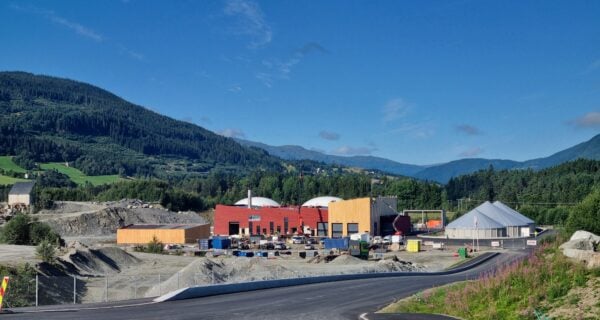
In biogas plants, Biovoiman's partner is Schmack Biogas. The company has hundreds of reference deliveries around the world and uses state-of-the-art, reliable biogas technologies in its production. These solutions cover established wet reactor technology, newer dry digestion plants, and combined dry and wet technology plants optimized for the decomposition properties of organic material.


"*" indicates required fields
© 2026 Biovoima
Privacy policy