

The sustainability of biogas determines the tax rate, eligibility for distribution obligations, and the customer’s own emissions calculations. In practice, this is determined by a single spreadsheet and whether its figures can be traced.
We will audit the existing sustainability system, develop a sustainable calculation method, and handle the application to the Energy Agency.
Demonstrating sustainability is not merely a matter of documentation. It determines the tax bracket under which biogas is taxed, whether it qualifies for the distribution obligation, and whether a customer can include the emissions reduction in its own reporting.
If the calculation does not stand up to scrutiny by the verifier or the Energy Authority, the consequence is not a warning but lost tax benefit and sales pitch. That is why the traceability of the calculation is more important than its final result.
An operator may use a national sustainability scheme approved by the Energy Agency or a voluntary scheme approved by the Commission.

These are not just theories. This list was compiled based on audits of the sustainability management systems at two operational biogas plants, for which the Energy Agency had already issued a request for additional information.
Shortcoming 1: Transportation of feed is missing
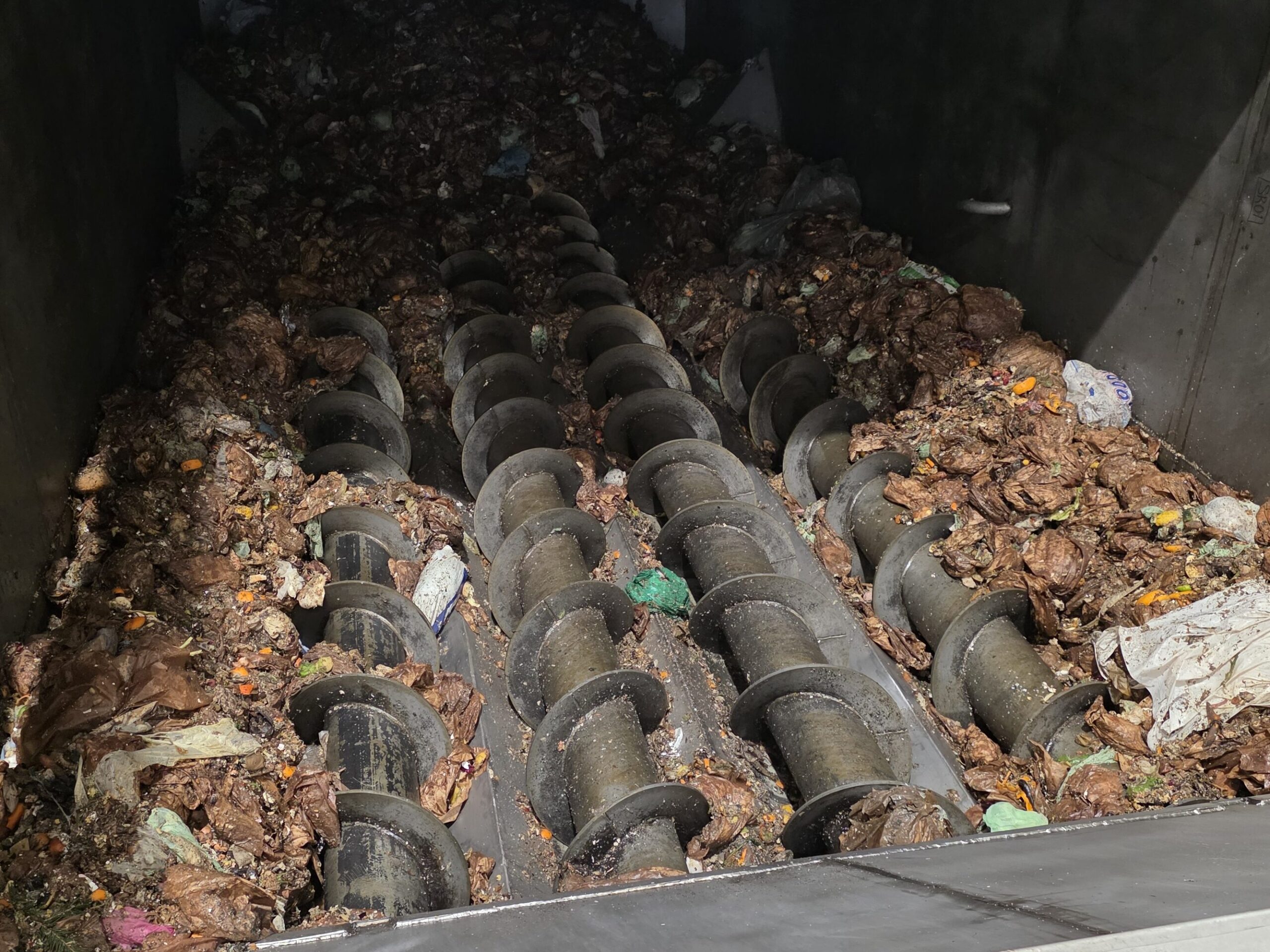
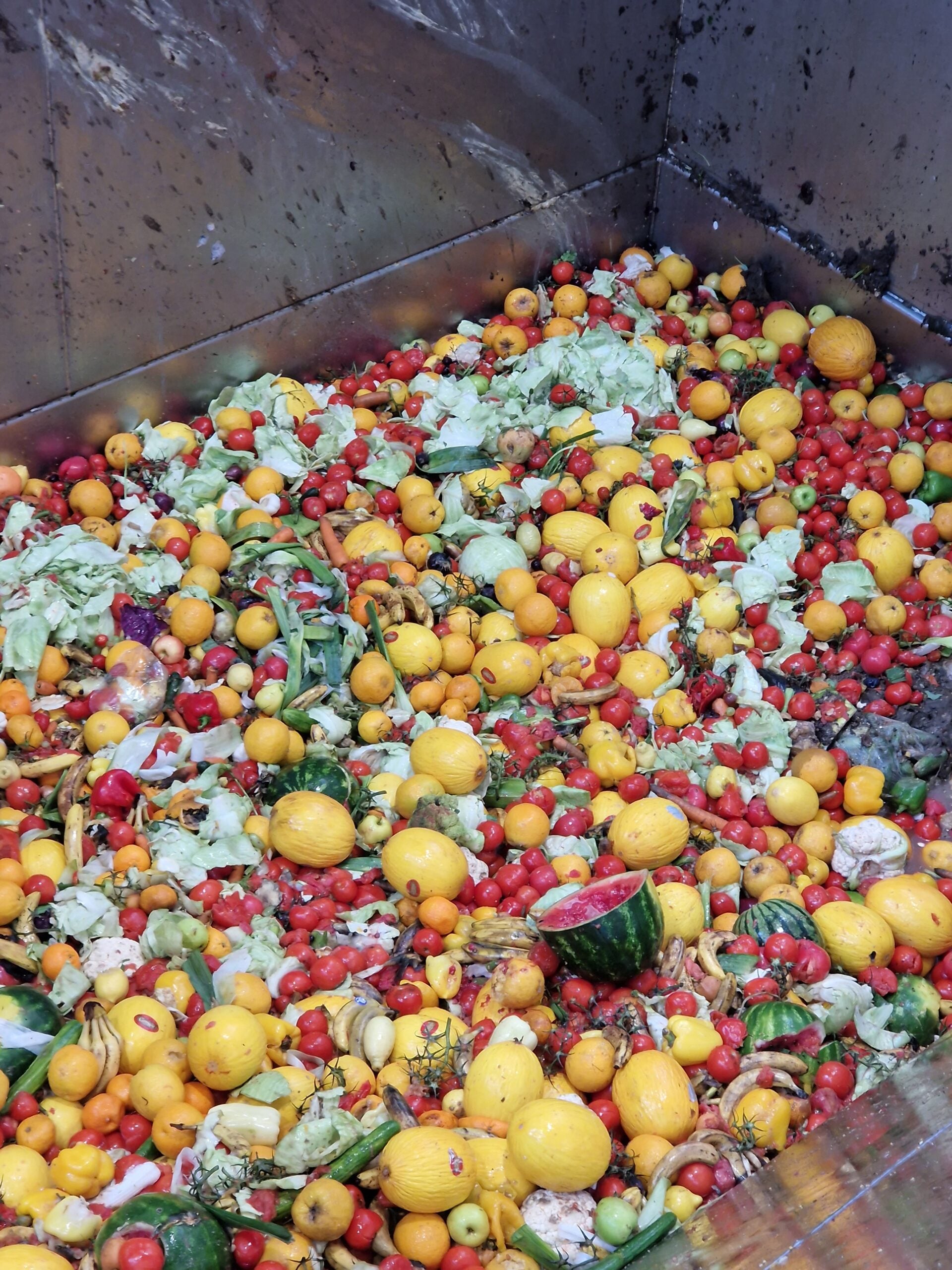
The calculation of waste and residues begins with the collection of raw materials. If the feed is delivered via a pipeline, there are no transportation emissions—but biowaste delivered in waste containers requires transportation vehicles, route length, trips, and fuel.
Shortcoming 2: There are no shipments of slurry
The same system limitation applies to the transport of the final product and the digestate produced as a byproduct. This is almost always left out of the calculations.
Shortcoming 3: Emissions from heat used are missing
Emissions from the production of electricity and heat used in the process are included in the calculation. Often, the amount of heat is known, but the emissions impact has not been calculated—or the heat has not been measured at all.
Shortcoming 4: Energy for personal use has not been deducted
Emissions are calculated per unit of energy sold, not per total amount of energy produced. Failing to deduct energy used for own consumption directly distorts the final result.
Shortcoming 5: The reduction in emissions cannot be traced
The figures used have not been itemized or traced, and emissions have not been allocated to the various products being sold. Emissions from processing are not included in the calculations for raw gas sold, but they are included in the calculations for processed gas.
Conclusion: Repairs take longer than replacements
When there are this many errors, modifying the calculation takes as much time—or even more—than building a new one from scratch. In that case, we recommend rebuilding it.
Both are acceptable for proving residency. The choice depends on what the certificate is needed for and how many countries it is required for.
| Sustainability system approved by the Energy Agency | Voluntary certification system (e.g., ISCC, REDcert) | |
|---|---|---|
| Application | Submitted electronically via the Energy Authority's online service, with the verifier's statement attached | The system's own certification and audit process |
| Maintenance | Application for a Change When Operations, Inputs, or Requirements Change | Periodic audits in accordance with the system's rules |
| What is it good for? | Certificate of sustainability for fuel and raw material batches; also valid in other EU countries | Valid throughout the EU; often a requirement in international trade |
| Who approves? | Energy Agency, upon application by the operator | System operator approved by the European Commission |

The calculation must be updated whenever inputs, uses, transportation, or requirements change—and the verifier will review it again. With ongoing maintenance service, the calculation stays up to date without requiring anyone to take on the task as a side job.
Coaching on Questions Regarding the Interpretation of Calculations
Let's start with the audit
Please submit your current sustainability calculation and quality manual, as well as any request for additional information from the Energy Authority. We will let you know what is missing and whether you should revise the calculation or prepare a new one.

© 2026 Biovoima
Privacy policy