



The licensing processes of national security authorities are technically demanding and have strict deadlines: an incomplete application is not rejected; it is set aside pending the submission of additional information. We compile the documentation correctly the first time and, with your authorization, handle all communication with the authorities.
Pipeline, fueling station, storage facility, or re-permitting of an existing facility—we’ll see the process through to completion, clearly and on schedule.
The construction of natural gas and biogas pipelines, refueling stations, and gas storage facilities requires a construction permit issued by the Finnish Safety and Chemicals Agency (Tukes). The permit ensures safe siting, compliance with requirements, proper construction and equipment, and consideration of the surrounding environment and other activities.
The review process is not merely an inspection: Tukes requests opinions on the application from the fire department and the licensing authority, publishes a notice of the application, and asks the applicant to respond to any objections. Requests for additional information or clarification are issued for nearly every application. Each round extends the processing time — A complete and properly filled-out application is the fastest way to get a permit.
Applications are submitted through the Regional Administration’s online service. Permits for renewable energy production facilities can also be applied for through the “Permits and Supervision” service. Tukes charges a processing fee in accordance with its price list, which is not included in the price of our service.
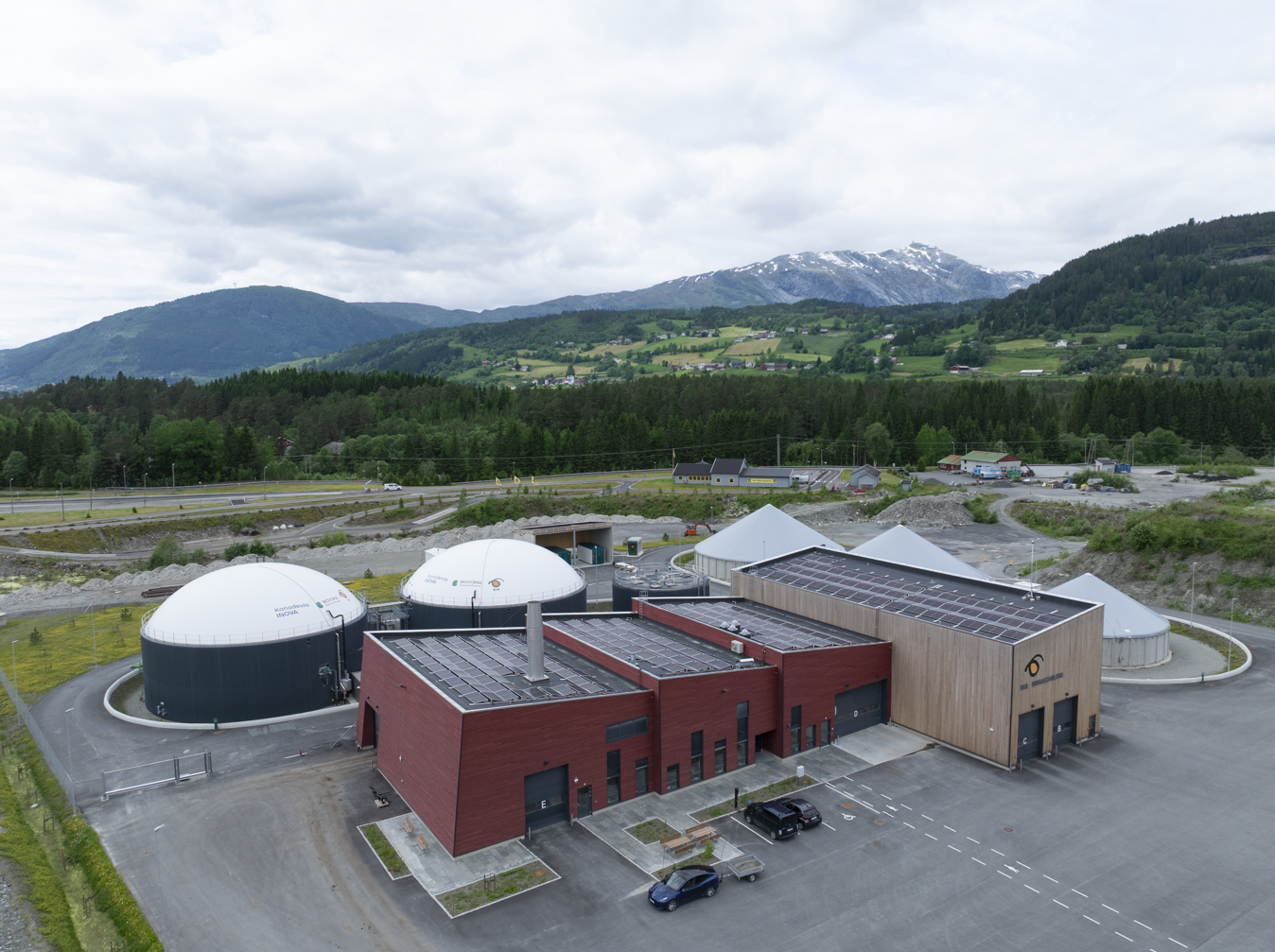
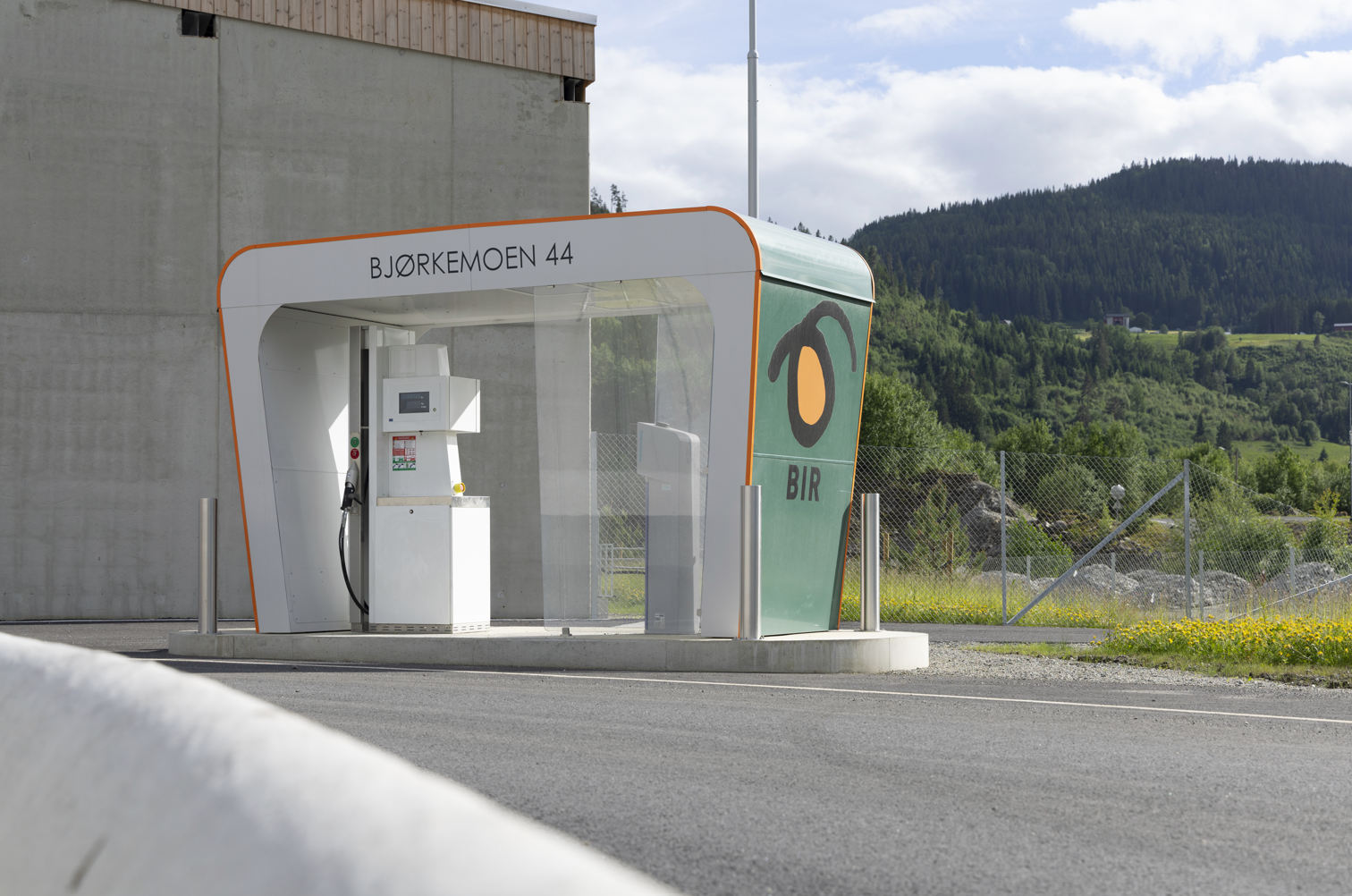
In borderline cases, we determine eligibility before anything is drafted.
Transfer Piping
Distribution Piping System
Gas Station
Distribution piping, capacity ≥ 1.2 MW
Service piping, pressure > 0.5 bar, pipe size > DN 25
Gas storage ≥ 5 metric tons
Storage: 0.2–less than 5 metric tons: notification
Building system ≤ 70 kW: no permit required
Regional permit, up to 8 bar
Gas stations and storage facilities have their own, more comprehensive annexes covering: safety distances, zoning and land use management, process descriptions, safety systems, and accident scenarios with distance analyses. In addition, storage facilities with a capacity of at least 50 metric tons must have an operating policy document and an internal emergency response plan, while those with a capacity of at least 200 metric tons must have a safety assessment (Government Decree 685/2015).
Notifications are also submitted to Tukes, and the same forms are used for these as for the permit application. We handle these under the same authorization.
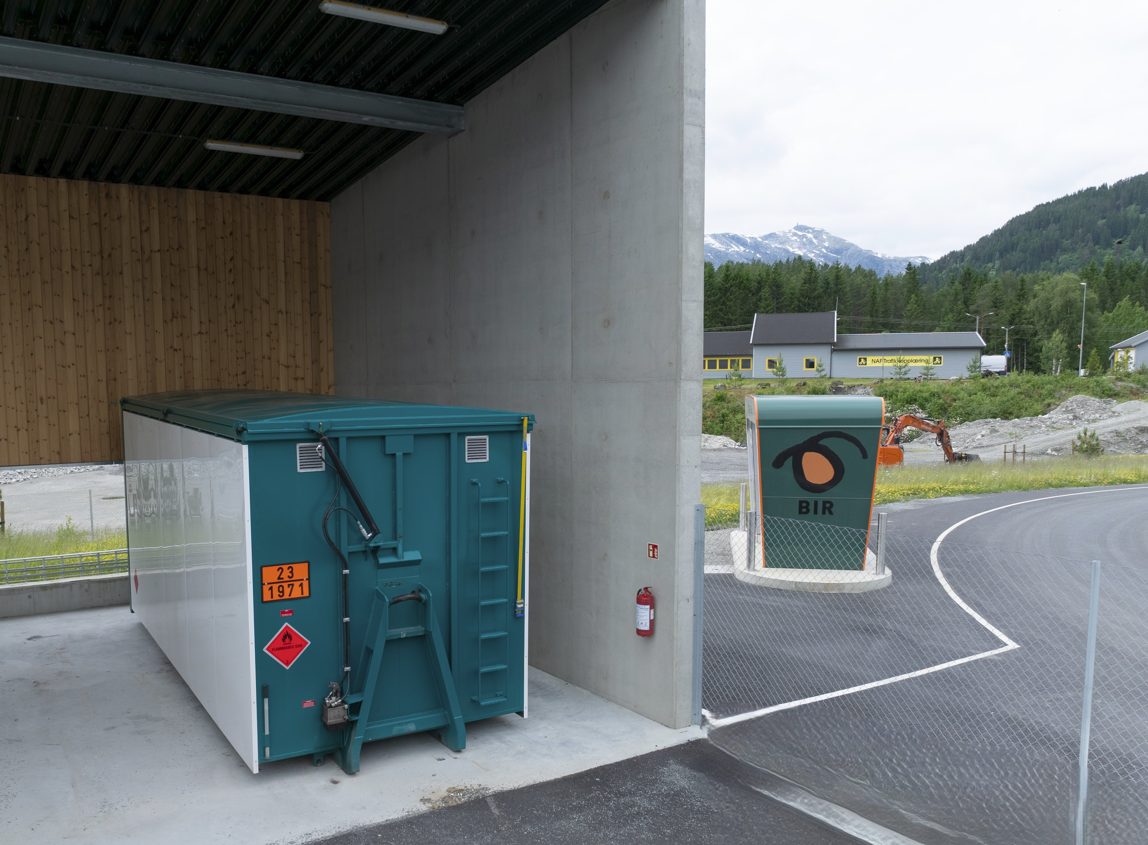
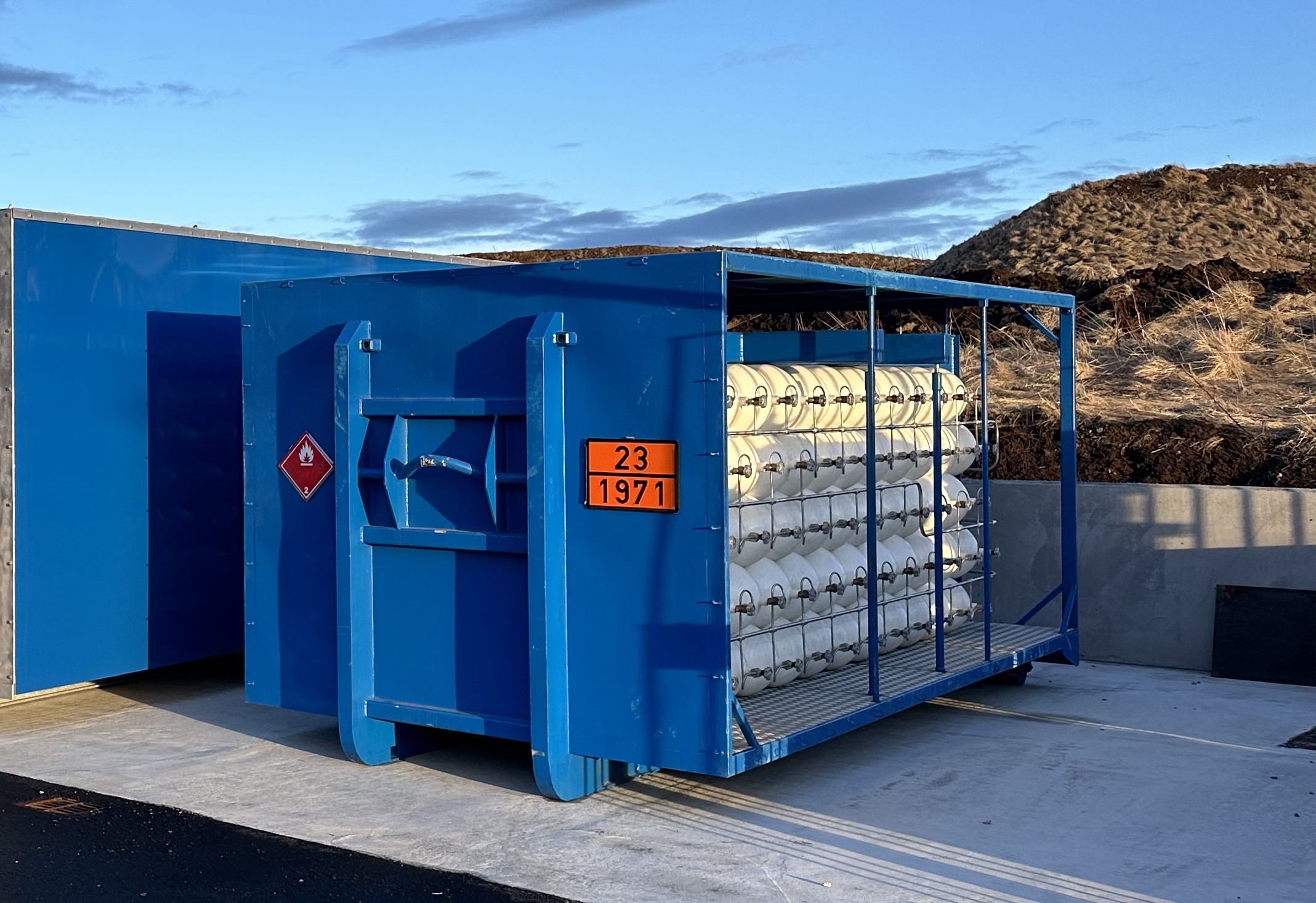

We handle the entire process, from compiling the application to responding to Tukes’s follow-up questions—whether for a new facility or the re-licensing of an existing one.
1 Assessment of Eligibility and Determination of Limits
We will determine whether the project requires a permit or if a notification is sufficient, what falls under the Natural Gas Regulation and what falls under chemical safety, and when the application process should be initiated
2 Compilation of Technical Documents
Drawings, PI diagrams, layout plans, and basic technical information in the format specified in Tukes’s list of attachments.
3 Safety and Risk Documents
Hazard assessment, explosion hazard assessment, explosion protection documentation, area classification drawings, and list of Ex-rated equipment.
4 Environmental Impact Assessment
An environmental impact assessment and a plan for mitigating environmental impacts, as required for transmission and distribution pipelines and for a regional permit.
5 Submitting and Tracking an Application
We submit the application through the online service, monitor its processing, respond to requests for additional information, and draft responses to objections.
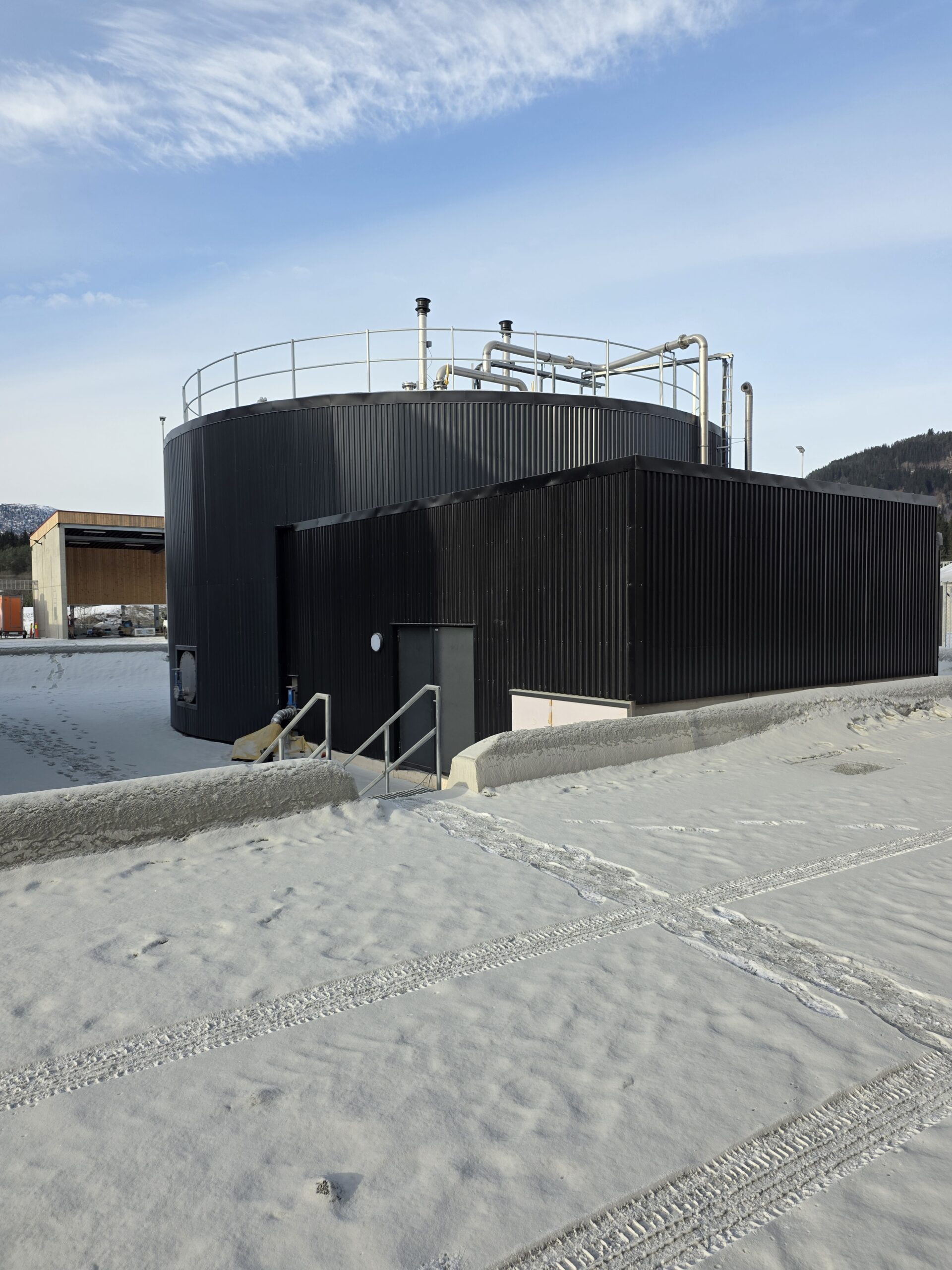
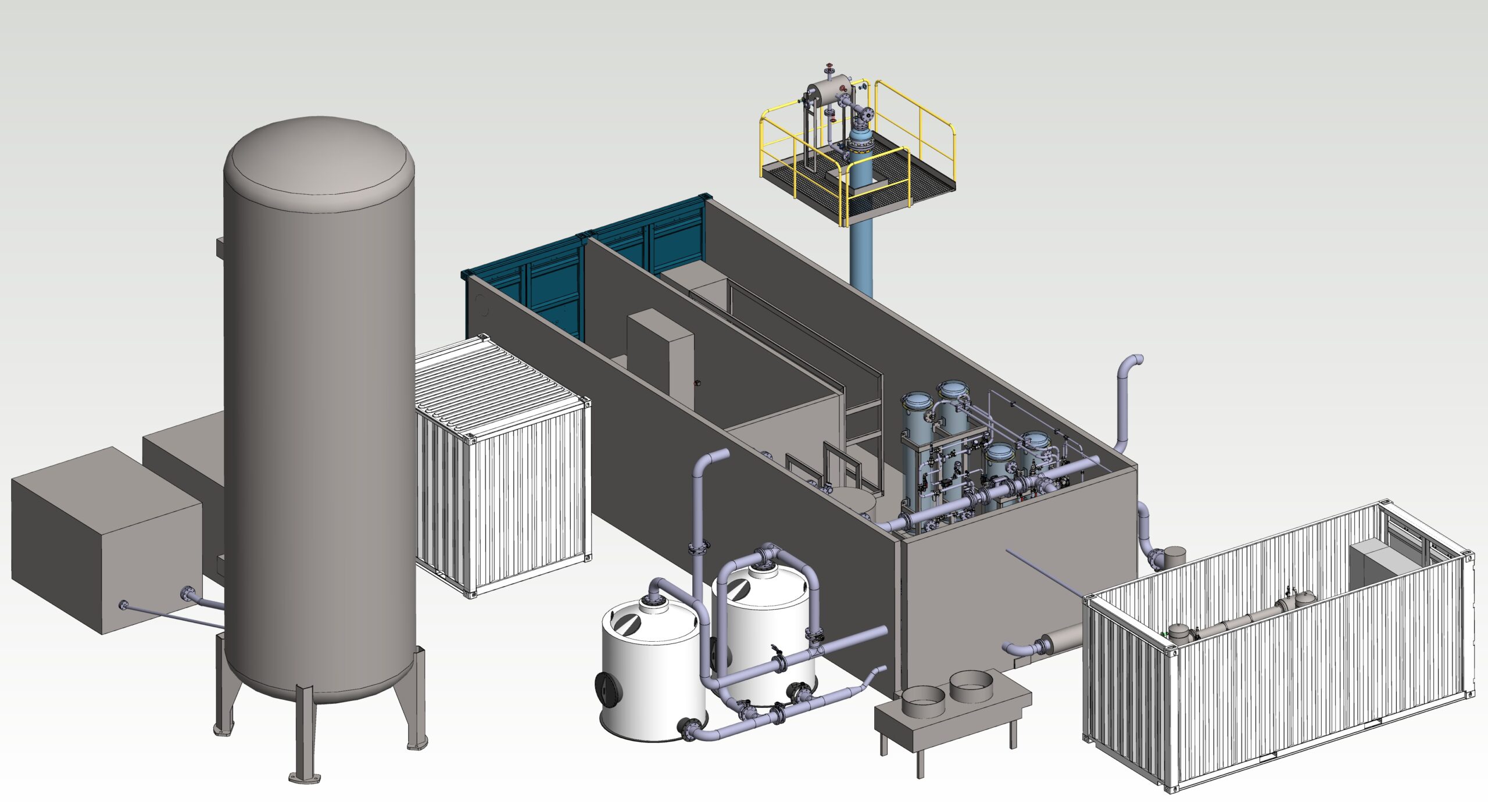
A project requiring a building permit is inspected by an independent, accredited inspection body, and Tukes conducts a commissioning inspection for storage facilities with a capacity of at least 5 metric tons. Installation work may only be performed by an installation company approved by Tukes. Before commissioning, an operations supervisor and, if necessary, a backup must be designated. After commissioning, the piping system is subject to periodic inspections in accordance with the Natural Gas Regulation (Government Decree 551/2009).
We also provide assistance with the following: preparing for inspections and ensuring documentation is in order; appointing and verifying the qualifications of the operations supervisor; and submitting change notifications throughout the facility’s lifecycle.
In LNG and LBG facilities, the natural gas piping system begins with the piping downstream of the vaporizer. Pressure vessels that are part of the piping system are not registered separately, but pressure vessels containing liquefied gas and air vaporizers are registered when the limit of pressure × volume = 1,000 bar × l is exceeded.
Tell us the type of project, pressure, power, or inventory level, location, and timeline. We'll let you know what's needed and what a realistic timeline would be.

© 2026 Biovoima
Privacy policy