Painless biogas project development - real or not?
Many would like to start a biogas project as soon as possible
painless and easy, right? Potential biogas projects must
really be on the right track from the start - our aim with Biovoimalla
is to help our customers make it happen.
The reality is that we value our customers' time and
resources. That's why we focus early in the project development phase on
elements that are important and relevant to the biogas project
development of the project.
If you want to know what is relevant for a biogas project
development phase of a biogas project, continue reading.
Fortunately, many project developers know in advance what the future
organic feedstocks available in the vicinity of the biogas plant
for biogas production. They also have a preliminary plan for energy use.
This information is often sufficient to assess whether a biogas project will be profitable.
or not.
However, project development often tends to stumble,
even if a biogas project is given the green light. We get a lot
requests for proposals from around the world, but the truth is that few biogas projects
go ahead. What is the reason for this? Is it because the customer is not aware
of the real project costs? Is it because there is a lack of knowledge about it,
how to create a financially viable biogas project?
When I talk to donors, they often point out
real interest in biogas projects. They are ready to
to finance attractive biogas projects. But in reality, only
few such projects end up on the table of financiers. So the financiers
don't even know they exist!
Unfortunately, the potential biogas project
sometimes not enough resources are used to develop it. I am talking about
fundamental issues, such as the preliminary on the feasibility study.
With a well-done feasibility study, you can reach out to donors and
easily start a convincing discussion about financing your biogas project. And
as I just mentioned, the chance of finding a financier for your biogas project is
is high.
Another thing to consider is equity. Project
developer, the customer, must ensure that the biogas project is also supported by the
with the investor's own capital. The client should discuss these
possibilities with local investors. As a reminder
in addition to external financing, project financing also requires equity.
Yes, it takes effort and some work
to establish the criteria for a biogas project. But trust me, hard work
will pay off!
Consider this: mistakenly, some customers compare a biogas project
success of a biogas project based on the zero figure seen in the budget offer. But
the decisive factors are the quality of the technology and the partnership.
Experienced project developers do not choose
technology partner on the basis of non-binding budget offers. Instead, they
build trusted relationships with technology providers. Ultimately, that's it
trusted partnership that matters, not a marginal difference
in the price of a budget offer.
- Jani Kangasaho, Sales Director
We often get a recurring question from our customers:
“I want to invest in a biogas plant. Where do I start?”
Whether you are in the waste management business, the agricultural sector, the food industry
or an energy player, the following five [5] important basics should be outlined
and assess first. By taking these steps, you will speed up the planning of your project:
Determine the available organic inputs and their annual quantities. Ensure the most consistent and long-term availability of inputs.
Plan how you will use the biogas produced and how you will generate income. For example:
What is the current feed-in tariff system, could it be used? Or can you sell heat to the district heating network or as process energy for industry?
CHP unit turns your gas into electricity and heat.
Find out if you can get a gate fee for waste collection. This will be a good revenue stream for your biogas project.
Think about the location of the biogas plant. Do you own a suitable plot of land or would you need to rent it?
Ask for a quote for a biogas plant. If applicable, be sure to include a request for waste pre-treatment and additional equipment related to the biogas project, such as a CHP unit, gas processing unit, a refuelling station, a network connection container or any other solution.
Make sure you have clear answers to the above questions. These elements make up the basics of a biogas project and will help you create a business plan. The choice of technology should be secondary in determining raw materials, energy use, fertilizer use and indicative costs or savings.
No point in going round in circles - the realisation of biogas projects
are typically profitability and financing.
Biogas projects are typically large investments and
and therefore need external financing. When potential financiers
evaluate your project and feasibility study, they want to make sure that
the following contracts have been signed:
Long-term supply contract for raw materials.
A long-term electricity or gas sales contract - this is your main source of income from a biogas project.
If you receive or buy raw materials for your biogas plant from a third party
partner, the feedstock supply contract (Feedstock supply agreement, FSA)
is proof and confirmation of the uninterrupted supply of raw materials. Flat
of organic raw materials is essentially the basis for the biogas plant's
optimal operation of the biogas plant. If raw materials are missing or unavailable
enough for the optimal operation of the plant, biogas cannot be produced
can not be produced as intended. This makes it difficult to estimate revenues and profitability can suffer.
So a long-term raw material supply contract is important
for your biogas project. The contract secures your project and provides a certificate
investors that your biogas project will not crash and burn and that your feedstock project will not fail.
lack of feedstock.
Electricity purchase agreement (Power purchase agreement, PPA) or
a gas purchase agreement (Gas purchase agreement, GPA) secure your project
a steady stream of income and provide you with financial security. To ensure that your project is
viable, there must be a customer for biogas or energy from biogas.
This also makes the payback period attractive.
If you use biogas to produce electricity (CHP plant),
the energy company may be a potential customer. In this case, two
between the two parties, a power purchase agreement (PPA) will be concluded. If you process biogas into clean
biomethane from biogas, your customer could be a gas network company. The partnership is tied
a gas purchase agreement (GPA).
Remember that well-designed project viability looks like
always look attractive to financiers - and of course to the investor himself
the investor himself. So take a look at the previous important tips for your project
long-term viability of your project.
Biogas project development requires relentless efforts
attitude and a slightly broader exploration of opportunities and inputs. But
it pays to take the bull by the horns!
Biogas flare and compressor station for Frevar KF in Fredrikstad, Norway
Biovoima will supply a safety solution, a biogas and biomethane injection system and a gas compressor station for Frevar KF's biogas plant in Fredrikstad, Norway. The solutions are required for both the existing l...
BIOupgrade gas upgrading unit commissioned at Nevel plant
The biogas processing unit for biovoima has been successfully commissioned and is working well at the Nevel biogas plant in Forssa. The unit has been in biomethane production for two weeks now, producing ...
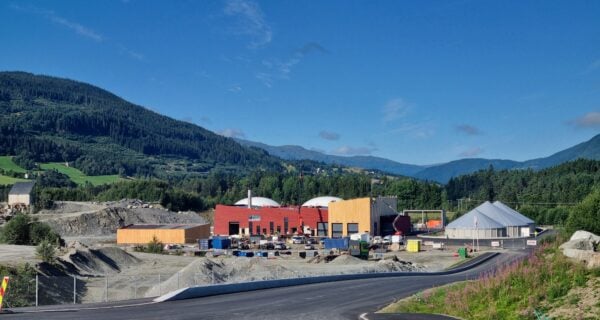
Voss biomethane plant installations in the final stages
The Voss biomethane plant in Norway has reached the final stage of mechanical and electrical installations. Commissioning has started and the aim is to start the biogas process later this year. The plant is now ready for commissioning....