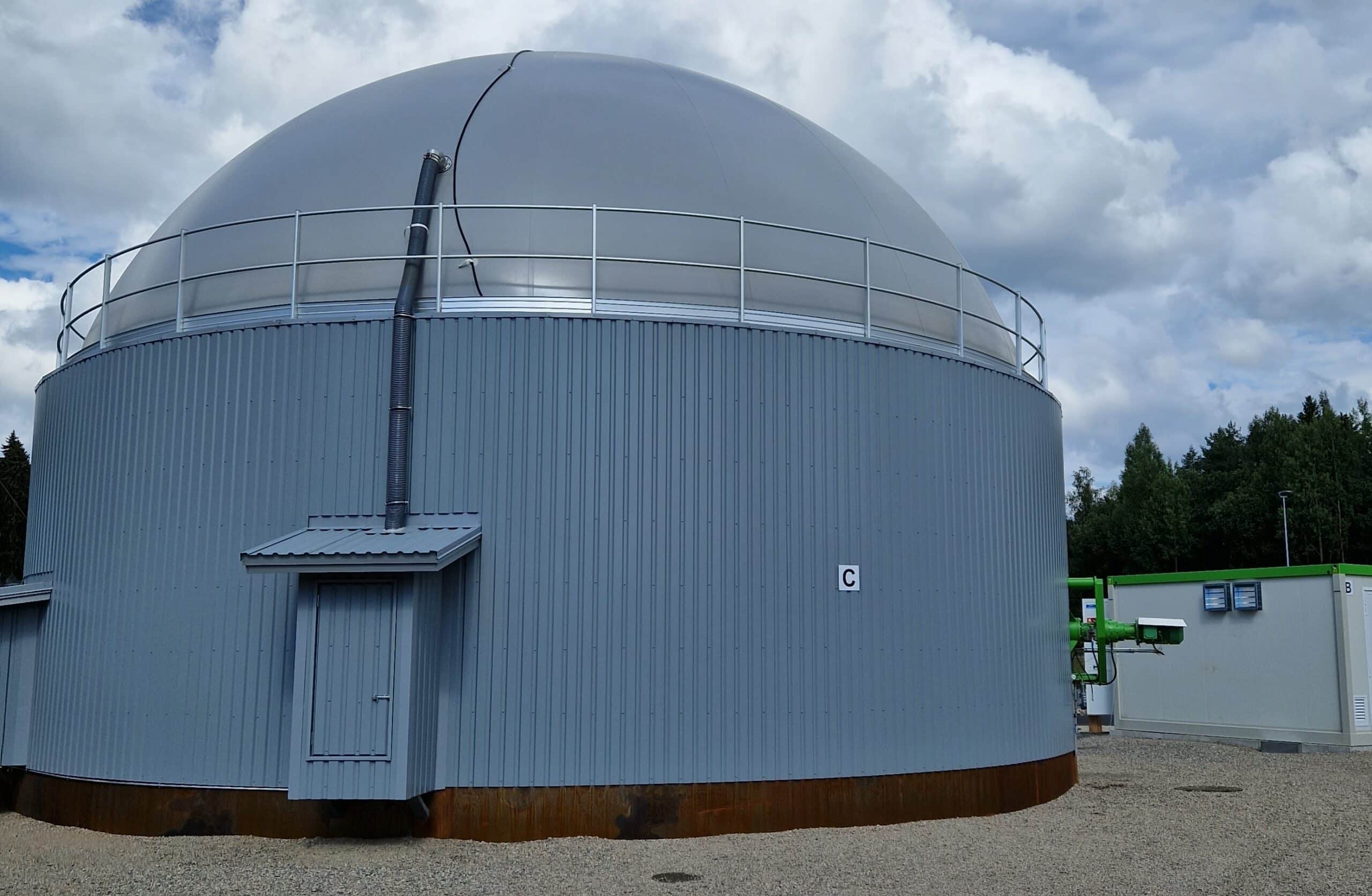
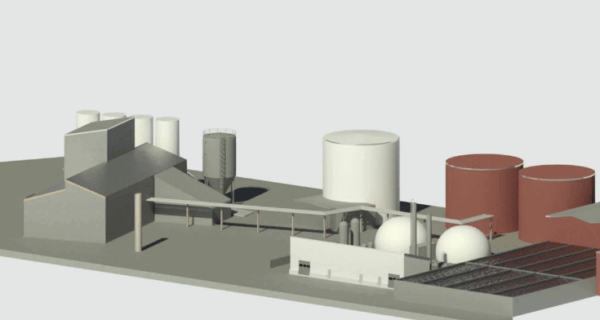
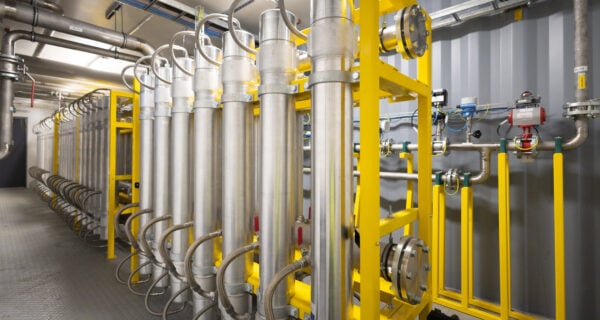
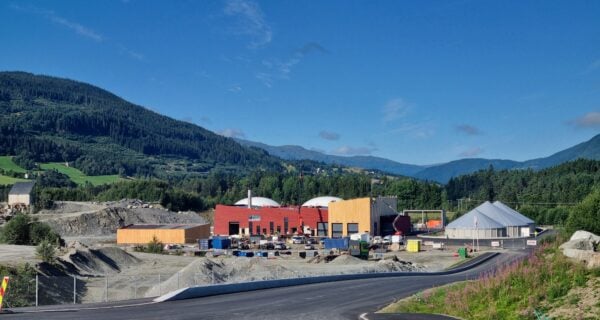
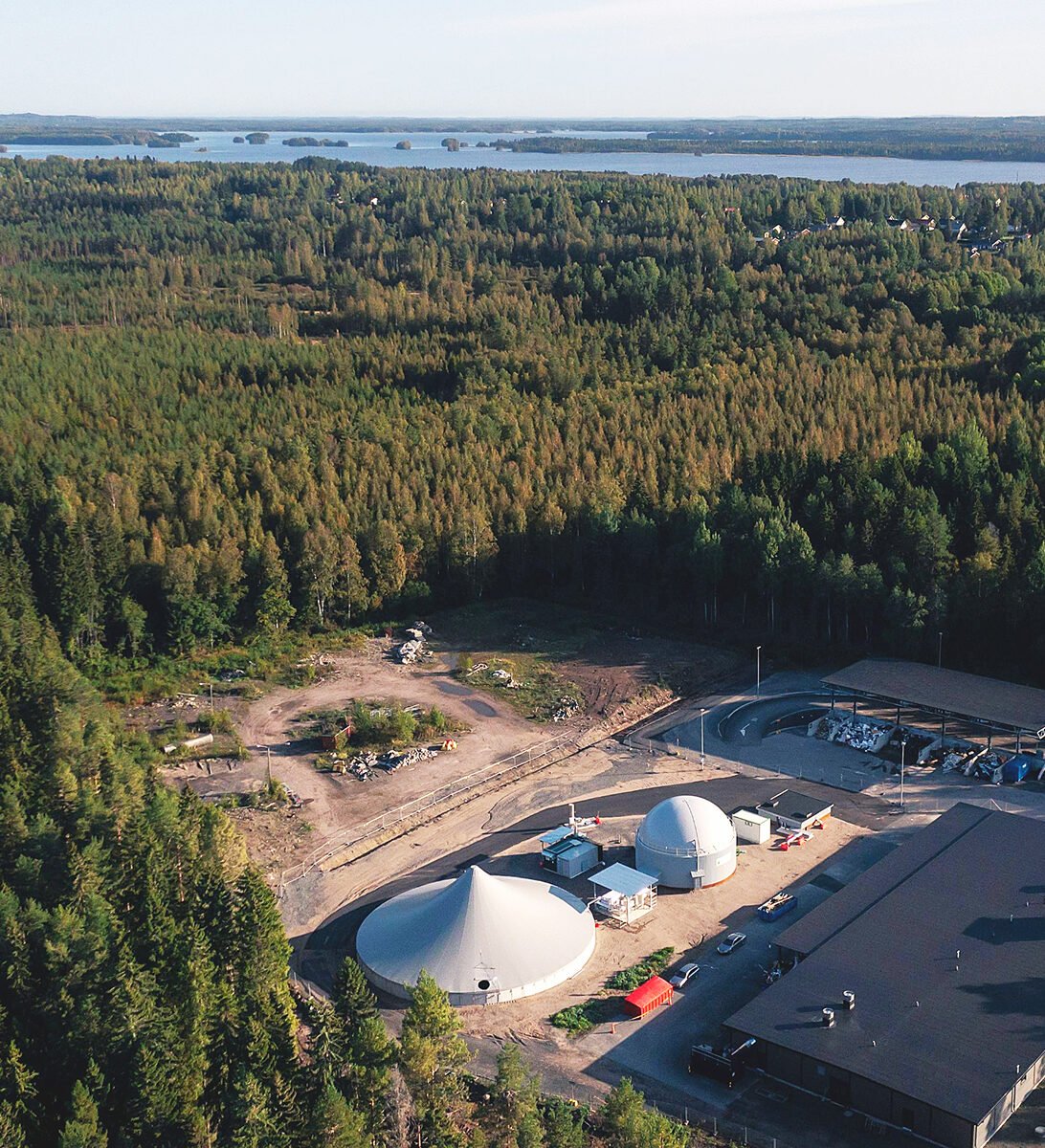
The commissioning phase of the biogas plant commissioned by Pieksämäen Vesi Oy and contracted by Biovoiman is almost complete and the plant is fully operational. The biogas plant will use organic sludge from Pieksämäen Vesi's wastewater treatment plant as raw material and produce biogas from it. This means that environmentally friendly energy will be produced from the wastewater in the Pieksämäki area for beneficial use, making the Pieksämäki central treatment plant self-sufficient in energy.
When it reaches full capacity, the Pieksämäki biogas plant will process 6 000 tonnes of sewage treatment plant sludge and grease trap sludge per year. The population of the economic area served by the plant is about 17 000. The biogas produced is used to produce 100 % of renewable electricity and heat for the wastewater treatment plant's own needs, with the excess energy being fed into the electricity and district heating networks.
We interviewed Tero Kemppi, Project Engineer of Biovoima and Matti Laakso, Managing Director of Pieksämäki Vesi, about the Pieksämäki biogas plant.
Tero Kemppi, Biovoima:
How much energy can be recovered from the plant?
At full capacity, the biogas plant will produce about 1.8 GWh of energy, roughly split in half between electricity and heat. About one third of this will be used for the biogas plant's own energy needs, the rest for the central treatment plant.
What form has the project taken?
We have been a turnkey supplier for the project. This is usually an easy and low-risk model for the client, as we have the overall responsibility for meeting the requirements of the tender.
How long has the project been?
The project started in April 2022, a few months behind the original schedule due to wartime automation procurement, but surprisingly few delays were encountered.
Could a similar biogas plant be built at any city or municipal sewage treatment plant?
In practice, yes. If we are talking about a smaller sewage treatment plant that does not have enough sludge to meet the feedstock requirements of the smallest viable biogas plant, part of the sewage sludge can be replaced by other organic feedstocks, such as slurry.
What needs to be taken into account and clarified in such a project? What is crucial to the viability of such a project?
Often, the key to the profitability of small biogas plants is that the energy produced can be used for its own purposes, i.e. it can be used as a substitute for existing purchased energy. The cost of receiving external inputs, i.e. gate fees, also contributes to the profitability of the plant. Of course, the fertiliser benefit from the end product also provides a backstop to profitability, provided a suitable buyer for the digestate is found.
What are the implications of the location of the treatment plant from a sustainability point of view?
If the plant uses its own sludge as feedstock, the location of the biogas plant on the same plot is of course the most sensible solution to avoid logistical costs and emissions. On the other hand, if a centralised plant processing the side streams of several different producers is envisaged, the location should be considered in a way that minimises road transport.
Matti Laaksonen, Managing Director, Pieksämäen Vesi
What were the reasons for Pieksämäki to consider investing in a biogas plant?
The biogas plant project started in early 2020. A biogas consultant contacted them and wanted to present their partners' possible solutions for building a biogas plant in Pieksämäki. The preliminary studies concluded that it would be better to proceed in stages and first implement a plant using only the sewage treatment plant's surplus sludge.
What factors were decisive for the decision from the city's point of view?
The profitability of the project, the calculations were good.
What was done with the sludge from the central treatment plant before the biogas plant?
The sludge has previously been transported to a biogas plant in Kuopio under contract.
How important do you think it is for municipal actors to take bold decisions for a green energy transition?
I see it as very important.
How important do you see the project for your own work?
The biogas plant project is the largest single project of its size that Pieksämäen Vesi has implemented.
Does the biogas plant require additional labour for the central treatment plant?
So far I haven't had to, but the future will tell. For now, it seems that the facility can be managed internally.
How has the project been going with Biovoima?
The global situation has posed certain challenges for technology supply, but these have been overcome.
How have you estimated the payback period of the investment?
At the start of the project, the payback period was estimated to be around ten years. This will become more accurate once the actual return figures are known.
How will the operation and viability of the biogas plant be ensured in the future?
The facility will be maintained and serviced. The amount of biogas produced will be increased with various other fractions from outside the plant, such as grease sludge.
For more information:
Eero Tilsala, Biovoima
eero.tilsala@biovoima.fi
+358 40 514 7047
Tero Kemppi, Finnish Biovoima Oy
tero.kemppi@biovoima.fi
+358 50 4087100